How to Insure a Lab-Grown Diamond Engagement Ring
Can you insure lab grown diamonds? Yes, and a lab-grown diamond engagement ring can be covered by most engagement ring insurance policies. The more useful question is what the policy will actually pay to replace, and whether your paperwork describes the whole ring or only the stone in the middle of it.
A lab-grown center diamond is often just one part of what makes a ring worth protecting. The metal, the setting style, any side stones or pavé, and the exact shape of the center stone all affect what it would take to make the ring again.
That is why the most useful insurance records describe the ring you actually wear, in detail, instead of stopping at "lab-grown diamond ring."
Lab-Grown Diamond Certificate vs. Engagement Ring Appraisal
The two documents sound alike, but they answer different questions.
A grading report is about the diamond alone. It records the characteristics of the stone. An appraisal looks at the finished piece: the metal, the center diamond, the side stones, how the ring is built, and a replacement value for all of it together.
The gap between the two matters most on rings like these:
- A lab-grown oval in a custom 14K yellow gold setting
- A lab-grown center stone with natural diamond accents
- A platinum halo with pavé running down the band
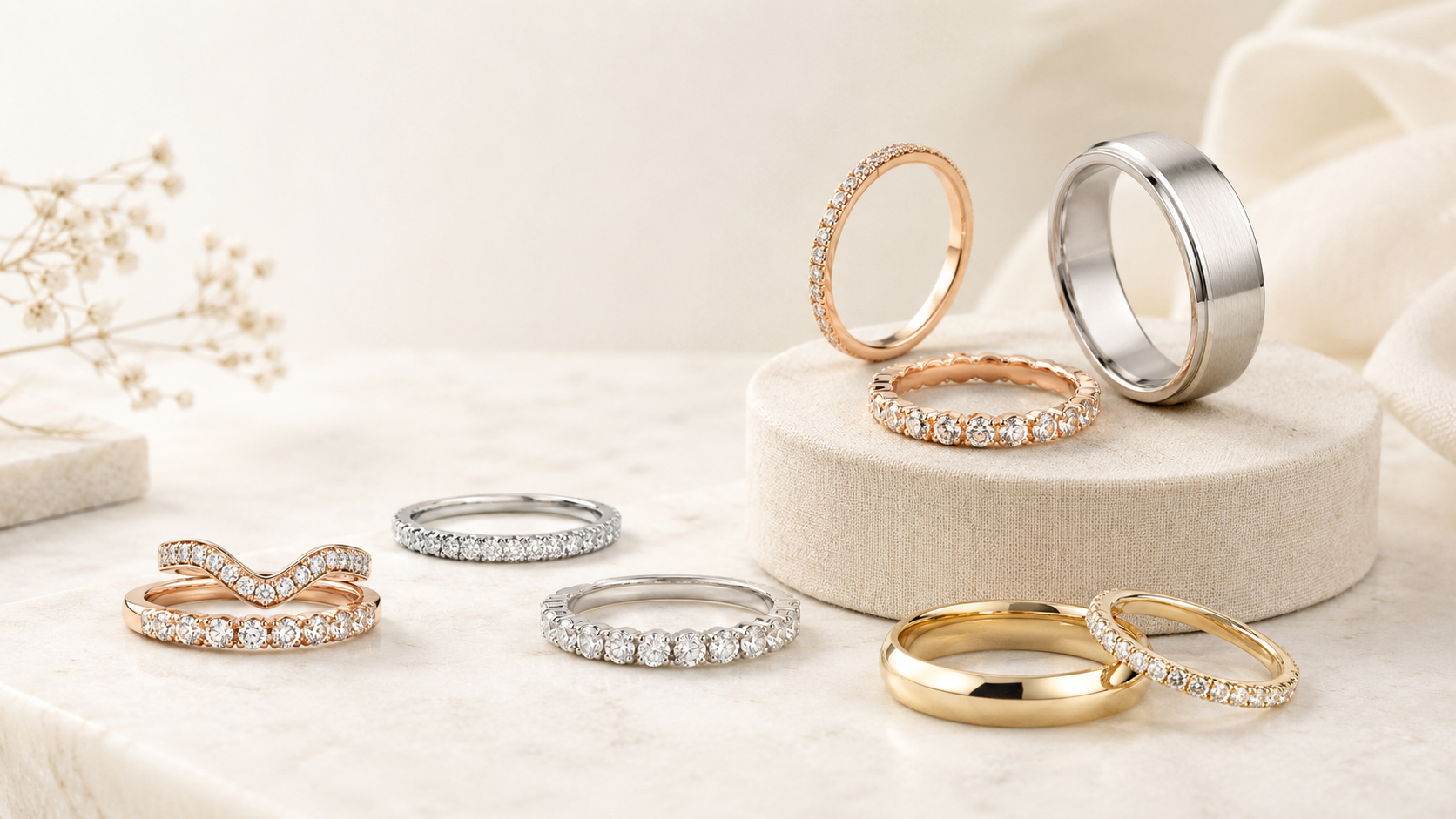
- A bridal set where the wedding band is shaped to sit against the engagement ring
If the whole ring goes missing, a grading report by itself will not tell an insurer much about the setting it was in.
Expert Tip
Store your grading report and your appraisal together. The report identifies the diamond. The appraisal explains what it would take to replace the ring as a whole.
Lab-Grown Diamond Prices Change. Should Your Coverage?
What you paid for your ring and what it would cost to replace a few years from now are not always the same number. Lab-grown diamond prices move, so an appraisal written the week you bought the ring can drift away from today's replacement cost.
None of that changes what the ring means to you, and it does not mean you need to redo the paperwork every year.
It does mean the insured value should reflect reality. If your appraisal is several years old, ask whether it still matches what a comparable center diamond and setting would cost to replace now. Paying premiums on a number that no longer fits the ring will not necessarily get you a better result if you ever file a claim.
For more on how lab-grown diamonds compare with natural diamonds, including how their prices behave over time, read our guide, Are Lab Grown Diamonds Real Diamonds?
If Only the Center Stone Is Lost
This is where the details of the original diamond start to matter.
Say your engagement ring held a two-carat lab-grown oval. Another two-carat oval will not automatically look the same in that setting.
To match it well, it helps to know:
- The exact measurements of the original stone
- Its length-to-width ratio
- How it sat in the head or basket of the setting
- Whether the prongs were damaged when it came loose
- Whether the head needs rebuilding before a new stone goes in
Two diamonds can share a shape and a carat weight and still look different once they are set.
The Replacement Stone Has to Suit the Ring
If a long, slim oval is what gave your ring its look, a rounder oval might meet the basic specs on paper and still make it feel like a different ring on your hand.
Good records help you get back the character of your ring, not just a matching list of numbers.
If the Diamond Is Fine but the Setting Is Damaged
This is another reason to think about the whole ring and not only the center stone.
A ring can need real work even when the diamond comes through untouched. A bent band, a damaged basket, worn prongs, a missing pavé stone or a halo pushed out of shape can all call for skilled repair.
Whether you live in Arvada or Lakewood, a ring does not have to be stolen to need a claim. A stone knocked loose at the gym or a ring left beside a sink can happen anywhere.
So when you review a policy, check whether it covers damage and repair, or only loss and theft. Policies differ, so ask your insurer directly instead of assuming.
Regular inspections help here too. Worn prongs and a stone that has started to loosen are much easier to deal with before anything goes missing. For engagement rings purchased at The Golden Gem, our sister company, Creekside Jewelers, provides a complimentary clean-and-check every six months.
If Your Ring Mixes Lab-Grown and Natural Diamonds
Write it down clearly.
A lab-grown center stone does not mean every diamond on the ring is lab-grown, and the reverse is true as well. At The Golden Gem, you choose natural or lab-grown for the center stone and for every other gemstone on the ring, so combinations are common.
A ring might have:
- A lab-grown center with natural pavé
- A natural center with lab-grown side stones
- Lab-grown diamonds throughout
- Natural diamonds throughout
Those details matter if a stone ever has to be replaced. The more specific the description, the more useful it is. "Diamond engagement ring" on its own does not tell anyone very much.
Wedding Ring Insurance: Don't Forget the Band
Many couples insure the engagement ring right away and forget about the band. If your wedding band has diamonds, a custom shape or was made to fit against your engagement ring, list it on the policy too, with its own photos and description. A band shaped around one specific engagement ring can take more to replace than a standard band.
Update Your Paperwork After Any Changes
It is easy to overlook, but worth checking.
Maybe you bought a loose lab-grown diamond first and insured it based on its purchase paperwork. Later it went into a platinum setting with a hidden halo and a diamond band.
At that point you are insuring a different piece. The center stone is the same, but the finished ring cost more to make and is built differently, and your records should say so.
The same goes for any time you:
- Add side stones
- Replace the head or basket
- Switch metals, for example from gold to platinum
- Redesign the setting
- Move the diamond into a new piece
Keep your insurance records in line with the ring you own today, not the one you started with.
If the Diamond and the Setting Came From Different Places
That happens, and it is fine. Just keep the paperwork from both.
You may have one receipt for the loose lab-grown diamond and another for the setting or the work to set it. Together they explain how the finished ring came to be, so keep them together and bring both if you have the ring appraised.
This matters most with custom work, because the center stone receipt alone rarely shows what it would cost to replace the finished ring.
Take Photos Before You Insure It
More than one. A single photo from the top leaves a lot out.
Keep clear pictures of:
- The top view
- The side profile
- The gallery or basket under the center stone
- The inside of the band
- Any engraving
- Side stones and any details that make the ring distinctive
If a custom ring ever has to be made again, those photos can be worth more than you would expect.
How We Think About It at The Golden Gem
An engagement ring is chosen piece by piece: the center stone, its shape, the metal, the setting and the stones around it. Good insurance records should capture those same choices, so anyone reading them could understand what makes your ring yours.
When you choose a ring with us, your Bridal Consultant guides you through each of those choices. Knowing exactly what you picked, and writing it down, is the first step toward protecting it.
Questions to Ask About Engagement Ring Insurance
"Is it covered?" is only the start. These questions tell you far more:
| Question for Your Insurer | Why It Matters |
| Does the policy cover the whole ring, or only certain parts? | The setting can be a large share of the value |
| Is accidental damage covered? | A damaged ring is a different claim than a lost ring |
| How is the replacement value decided? | Lab-grown diamond prices change over time |
| What documents do you need from me? | A receipt, a grading report and an appraisal each do a different job |
| What happens if only one stone is lost? | Center stones and side stones may be replaced differently |
| Is the wedding band covered too? | Bands are often listed separately, or left off entirely |
| Can a custom setting be recreated? | Design details can matter as much as the specs |
Those answers tell you much more than knowing the ring is simply "insured."
Whether you are still deciding between natural and lab-grown or you already know what you want, we would love to help. During your appointment, you have our entire bridal showroom in Golden to yourself with a Bridal Consultant, with no pressure and never rushed.
Visit The Golden Gem: 1111 Washington Ave, Suite 215, Golden, CO 80401. Call 720-761-5956.